
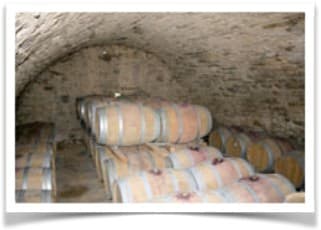
Visiting a winemaker is one of the finest ways to discover a terroir and understand what's in your glass. But it can also feel intimidating — especially for those new to wine. Here's how to prepare your visit at an organic winemaker in the Lot.
Before your visit: book ahead
First reflex: call before you come. A winemaker spends most of the day in the vines or in the cellar — not behind a counter. They'll be glad to welcome you, but only if they can plan.
What we ask:
- A phone call or text the day before or the morning of.
- An estimate of how many people (a couple? a group?).
- If possible, your level of wine knowledge — first discovery or seasoned amateur. We adapt accordingly.
When to come — the vine year
Depending on the season, you'll see a very different estate:
| Period | What you'll see | Atmosphere |
|---|---|---|
| January–March | Pruning, quiet cellar | Calm, long conversations |
| April–June | Buds, flowering, green works | Visually beautiful, moderate |
| July–August | Vines in full swing, many visitors | Busy, brief chats |
| Mid-September–mid-October | Harvest — the high point | Intense, magical, little time available |
| November–December | Cellar working, bottling | Active cellar, bare vines |
Our advice: May–June or late October offer the best conditions for real conversation. Want to see harvest? Arrive early and accept the winemaker is busy.
How a tasting goes
At most independent winemakers, it follows a simple pattern:
- Brief introduction to the estate, history, grapes.
- Cellar or vineyard tour depending on season and mood.
- Tasting of 3 to 6 cuvées, simplest to most complex.
- Free discussion about wines, terroir, the craft.
- Optional purchase.
Total: 30 minutes to 2 hours. At our place, plan 45 minutes for a relaxed visit.
How to taste — without complex
A few good reflexes:
- Spit if you're trying several wines. No one is offended. Winemakers spit all day.
- Ask honest questions. "Why is this one more expensive than that one?" "What do you serve it with?" Exactly what's expected.
- Don't recite magazine vocabulary. Say "I like" or "I don't like" in your own words. More useful than fancy notes.
- It's OK not to like everything. Not an exam — you owe nobody anything.
- Note your favourites on your phone. Helps when picking up.
Do you have to buy?
No, it's not mandatory. At serious winemakers, the tasting is offered as part of transmitting the craft — not to force a purchase. That said:
- If you liked something, buying a bottle or two is the loveliest acknowledgement.
- If you didn't enjoy anything (rare, but happens), say it kindly: "Not in my palate today, but thanks for the tasting." No grudge held.
- The order form can follow by email or post — no need to take it all home that day.
What to do in the Lot around a visit
If you're planning wine-tourism in the Lot, plan a full day:
- Cahors (medieval centre, Pont Valentré) — 20 min from Clos de Pougette
- Saint-Cirq-Lapopie (one of France's most beautiful villages)
- Rocamadour (spectacular pilgrimage site, 1 hour)
- Padirac chasm (navigable underground gulf, 1 h 15)
- Local markets (Cahors Wednesday and Saturday, Prayssac Friday)
And of course, stop by our cellar in Cournou — see how to find us.
In short
A visit at a winemaker isn't a sales transaction. It's a meeting between someone who shapes something from the soil, and someone curious to drink the result. Arrive with respect and curiosity, all goes well.
To prepare your visit, see our Visit page — including for motorhome travellers, welcomed free of charge for over 14 years.